Oxygen generation for aquaculture
Coordinate capacity with dissolved oxygen control, seasonal load and backup arrangements.
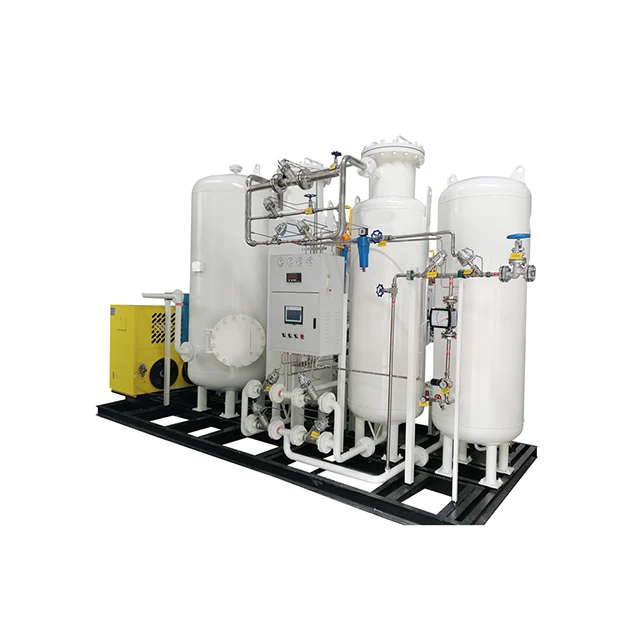 Manufacturer reference photo · sjjq.com
01Define the operating duty
Collect species, biomass, feeding, temperature and recirculation conditions. The aquaculture process team should establish the oxygen-demand curve. Pond area alone cannot determine generator size or the transfer equipment needed by the biological load.
- Demand input: Species and biomass
02Connect the complete system
Connect generation with mixing, dissolution and tank distribution. Review peaks and nighttime demand separately. Correlate dissolved oxygen, gas flow and alarms so staff can distinguish source problems from water-treatment or oxygen-transfer problems.
- Interface input: Oxygen-demand profile; Dissolution equipment
03Verify the configuration
Verify high-demand operation and controlled backup switching, recording water response. Supply does not replace water-quality, stocking or feeding management or guarantee a production increase. Dependent systems need an executable emergency oxygen arrangement.
For industrial oxygen use only. The fields below are project inputs. Equipment and supply performance require technical confirmation; this information does not establish approval for medical, breathing or food-contact use.
- Verification input: Power-loss and backup plan
Selection conditions to confirm
| Item | Requirement / confirmation basis |
|---|---|
| Species and biomass | Confirm for the projectProvide actual process conditions and the measurement basis. |
| Oxygen-demand profile | Confirm for the projectSpecify normal values, peaks or the permitted range. |
| Dissolution equipment | Confirm for the projectCheck against existing equipment and site conditions. |
| Power-loss and backup plan | Confirm for the projectAgree the acceptance basis during technical review. |
These public references explain general technology. They do not establish AIDEKE model performance, a supply commitment or a third-party endorsement. The article is an independent editorial explanation; the confirmed technical agreement governs a specific project.
Sources and usage notes