AIDEKE / NITROGEN
Core nitrogen generation · Configuration guidePSA nitrogen generation system
Specify purity, usable flow and operating patterns together, from feed air to the nitrogen delivery point.
↗Explore configurations around your process. These guides support early selection; final models, performance and supply scope require written confirmation.
Specify purity, usable flow and operating patterns together, from feed air to the nitrogen delivery point.
↗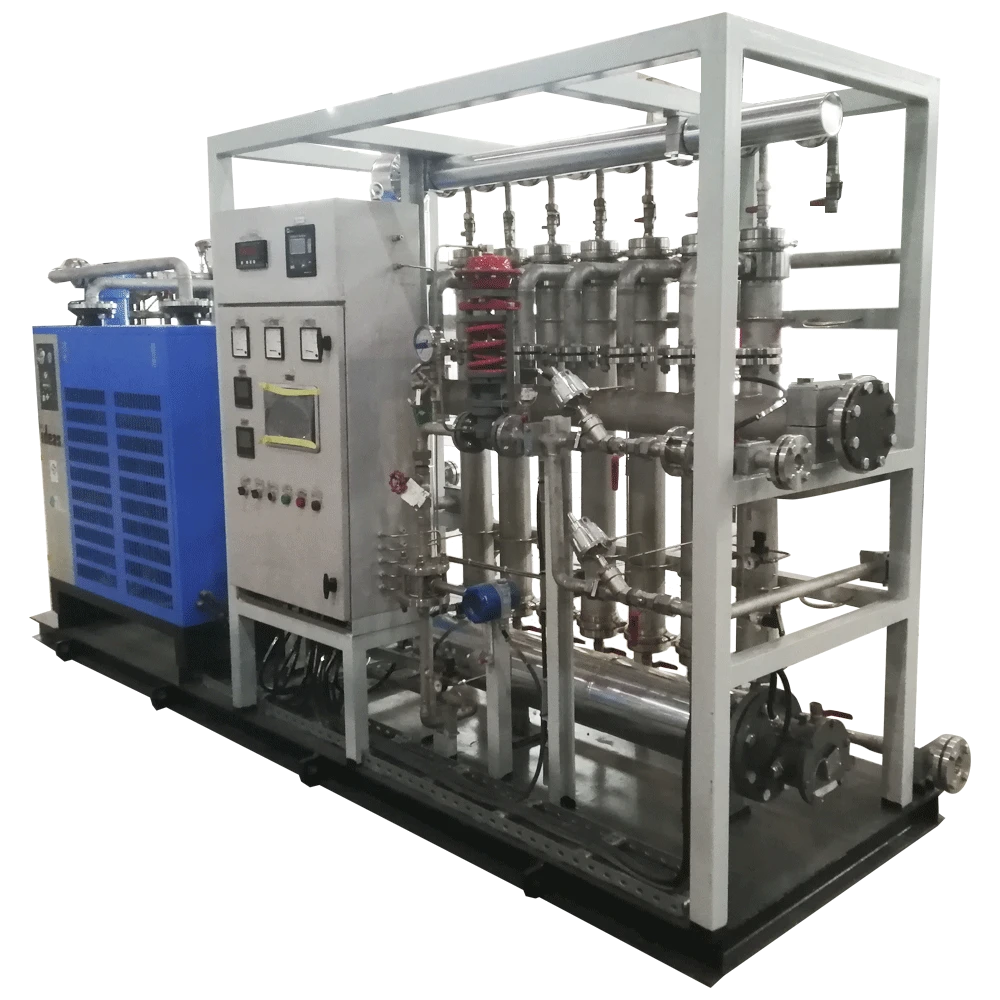
Evaluate membrane separation against the actual inerting or protective atmosphere requirement.
↗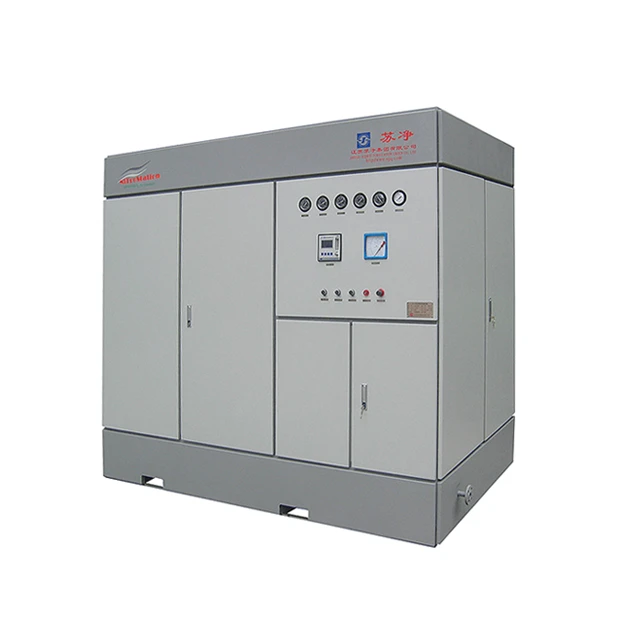
Translate high purity into measurable oxygen, moisture and process-specific contaminant limits.
↗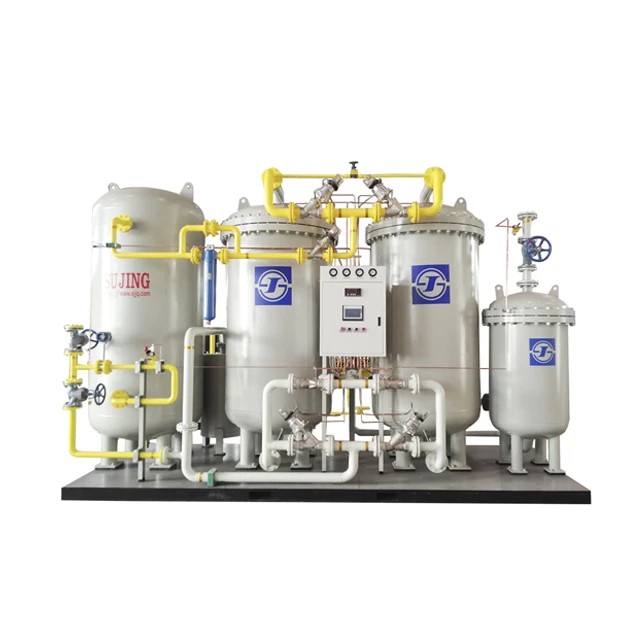
Size generation and boosting separately around the pressure required by the process.
↗Build the supply around materials, cutting-head requirements and the production schedule.
↗Verify supply quality, in-pack residual oxygen and packaging performance together.
↗Match supply to oxygen levels in the soldering zone and the production cycle.
↗Define the atmosphere around the material and furnace, including oxygen and moisture limits.
↗
Calculate demand from tank breathing and liquid movement, with clear system interfaces.
↗
Match short-term capacity to equipment volume, the approved procedure and available time.
↗
Assess the entire gas station against a measured layout and realistic service access.
↗
Organize the package around clear mechanical, electrical and control interfaces.
↗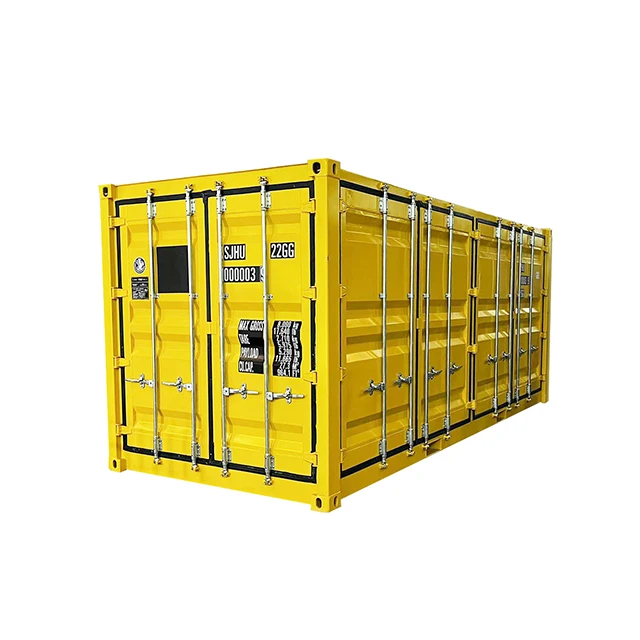
Design the machinery and enclosure together for the stated outdoor location.
↗
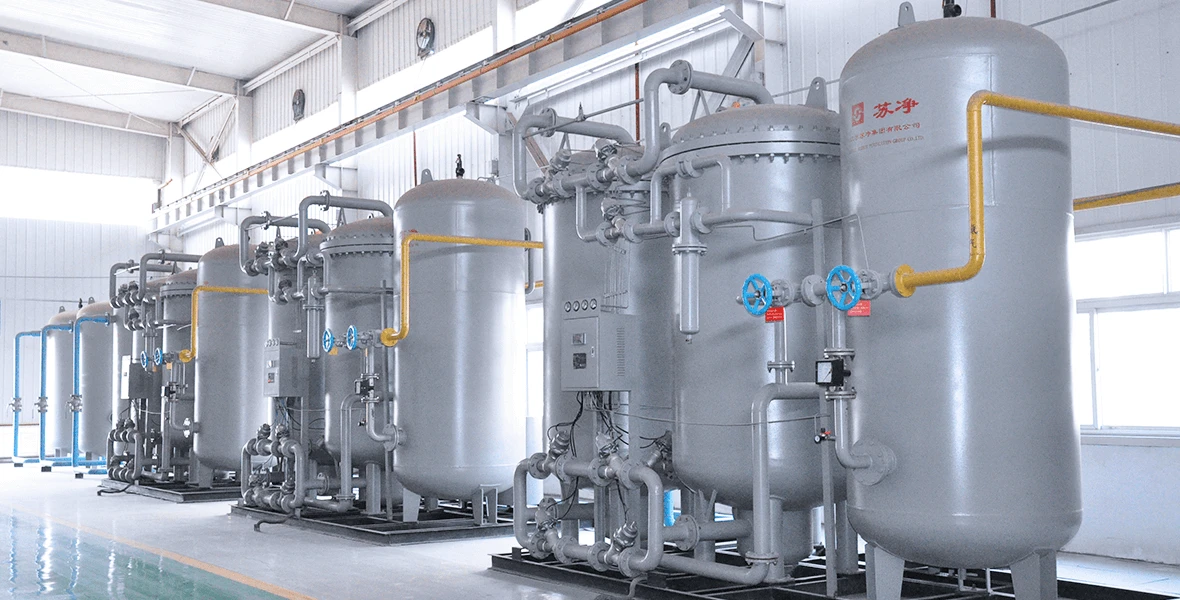
Separate confirmed initial demand from future growth and plan shared infrastructure accordingly.
↗
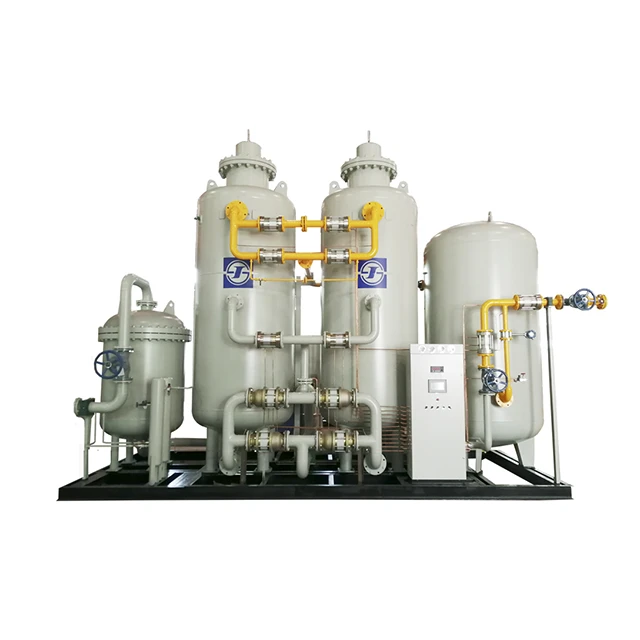
Define load sharing and rotation so production and maintenance can coexist.
↗
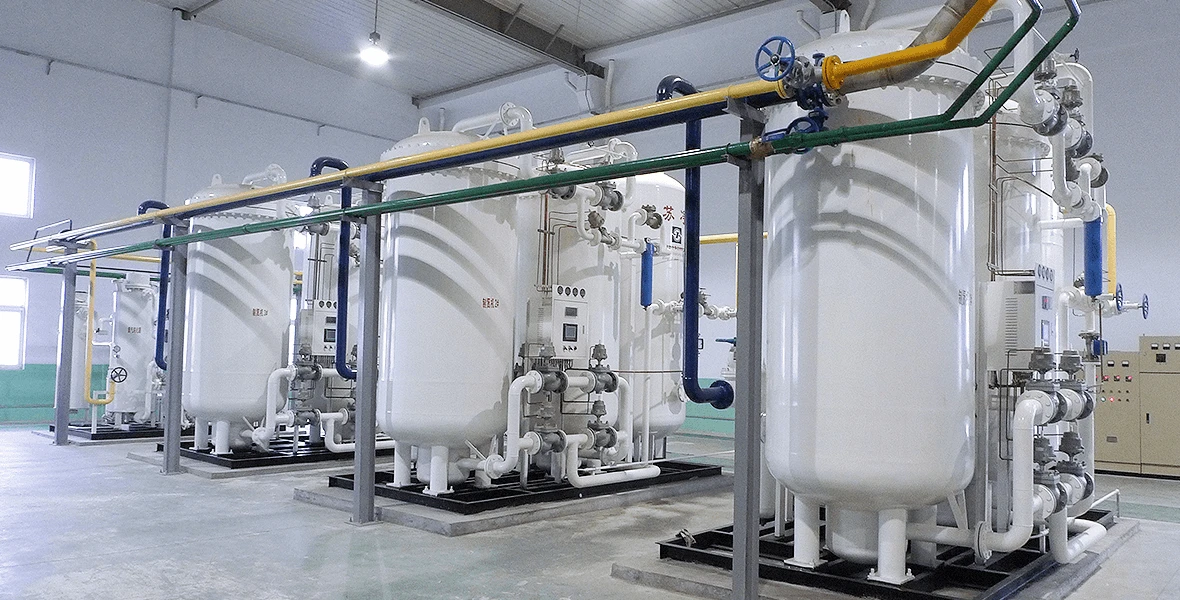
Use measured production profiles to choose capacity and control strategy.
↗
Create supply priorities across workshops with different pressure and quality needs.
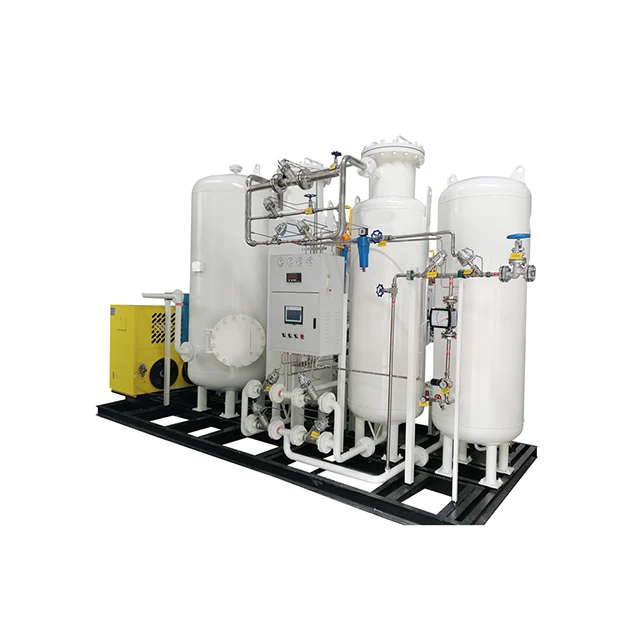
↗Specify backup duration and changeover conditions so supply protection can be tested.
↗
Define supply around the composition and inlet conditions accepted by the industrial process.
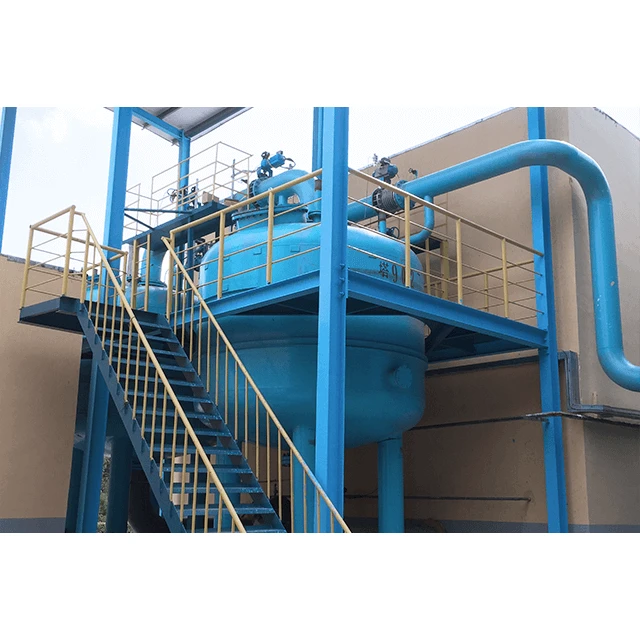
↗
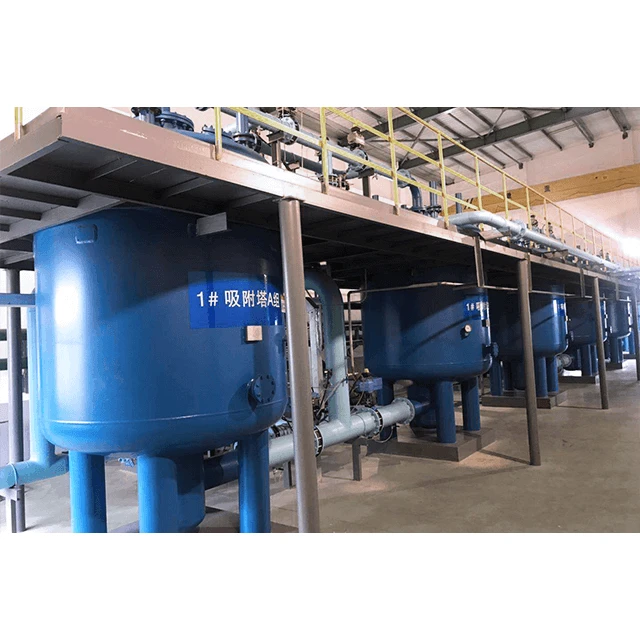
Compare adsorption routes for continuous demand on a consistent whole-station basis.
↗
Calculate required pressure from the receiving process through the complete delivery route.
↗Coordinate capacity with dissolved oxygen control, seasonal load and backup arrangements.
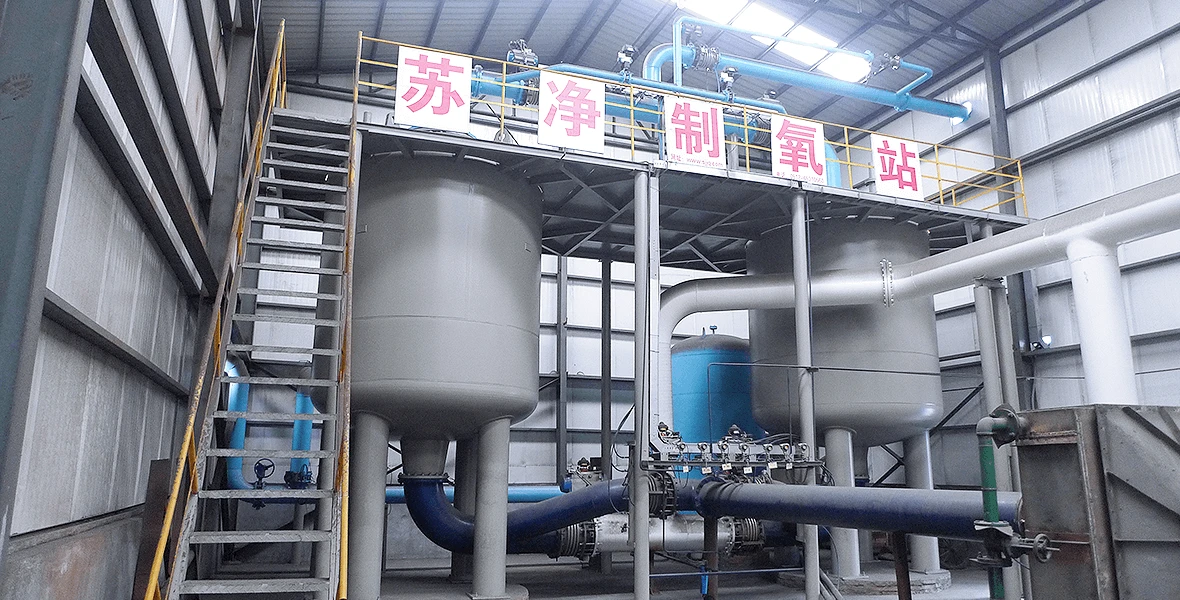
↗Match oxygen dryness, concentration, flow and controls to the ozone generator.
↗
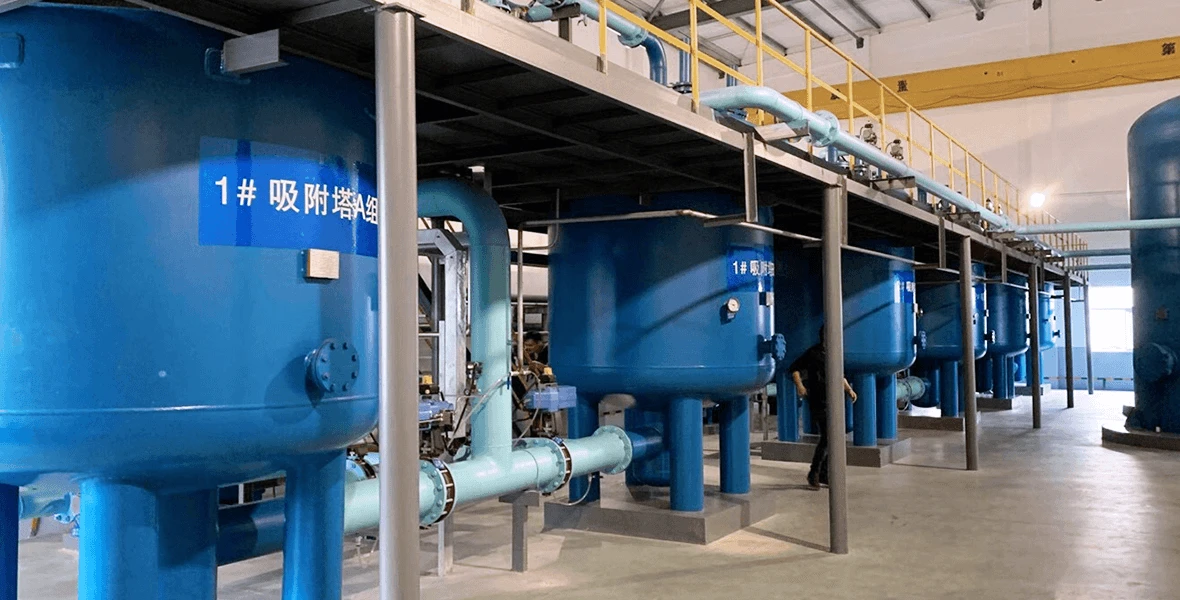
Assess supply against biological oxygen demand and the selected transfer method.
↗
Match the source to furnace or flame-processing requirements and continuous demand.
↗Integrate the source through combustion-system design and controlled validation.
↗Define oxygen-compatible assembly, cleanliness and interfaces within a clear package boundary.
↗Include plant-room environment and maintenance access in the outdoor station design.
↗Plan capacity by commissioning stage and reserve the shared facilities needed for growth.
↗Manage multiple units with measurable capacity requirements and clear withdrawal rules.
↗Plan maintenance, backup and recovery around the interruption the process can tolerate.
↗Balance quality, response time and station electricity against changing production demand.
↗Build useful operating data and define the responsibilities of local and remote controls.
↗Make backup duration, gas compatibility and replenishment conditions measurable.
↗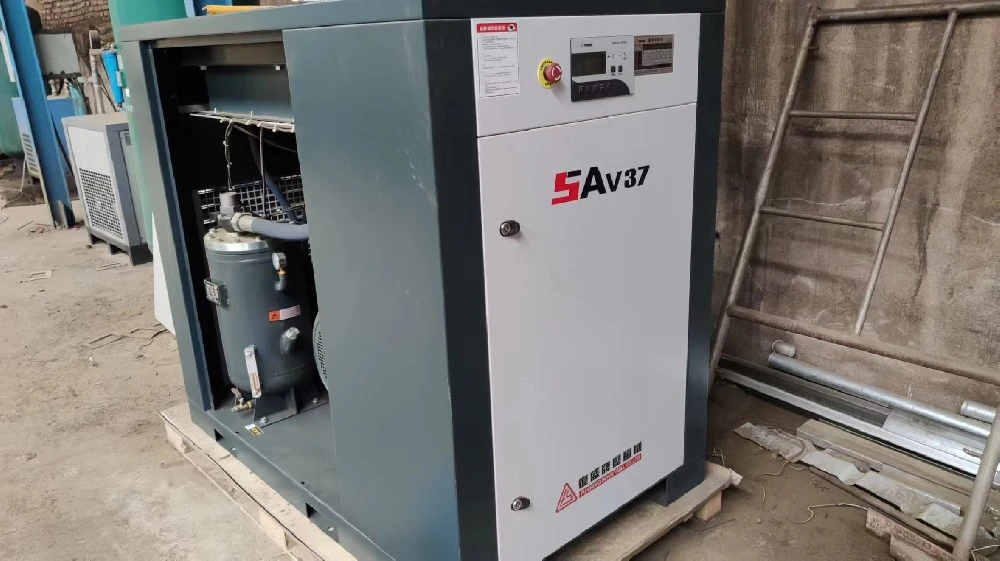
Select the source around complete station demand and separator inlet requirements.
↗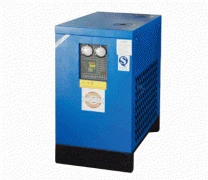
Check actual inlet conditions and required dew point before choosing the drying method.
↗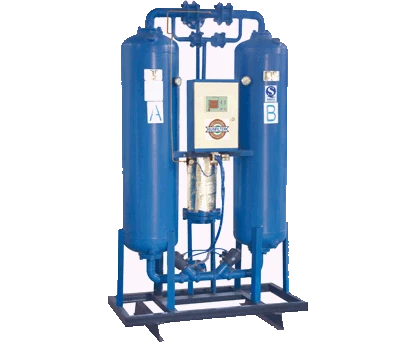
Compare moisture targets with regeneration air, electricity and maintenance needs.
↗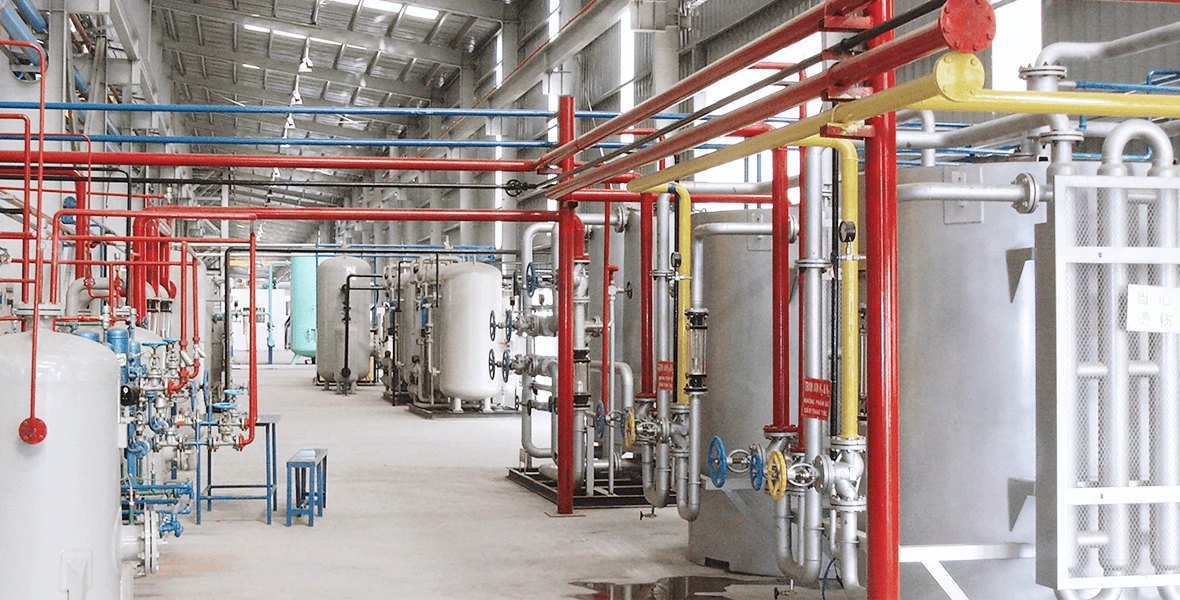
Select treatment by contaminant type, inlet quality and traceable maintenance requirements.
↗Specify treatment for identified impurities rather than a vague gas-quality claim.
↗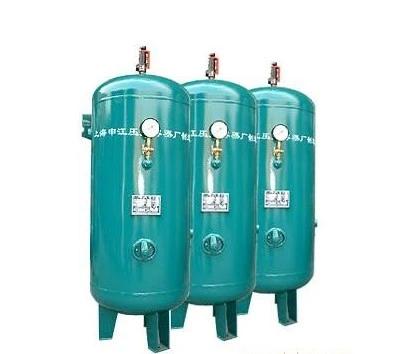
Define the receiver's role between compressor behavior and cyclic separation demand.
↗Link the separation cycle to production peaks within a defined pressure window.
↗Select buffering equipment for oxygen service and the real pressure range.
↗Match measurement range and sampling to the control or quality decision.
↗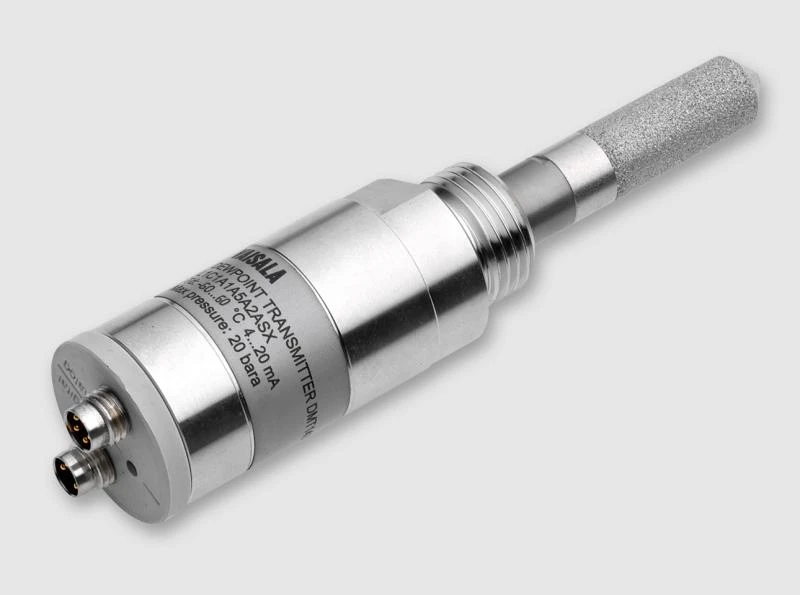
Attach a measurement pressure and representative location to every moisture requirement.
↗Specify boosting around available inlet gas and downstream pressure requirements.
↗Review oxygen compatibility, cleanliness and pressure before specifying a booster package.
↗Turn source, treatment, separation and process states into understandable operating logic.
↗Use consistent gas and electricity boundaries for selection and operating decisions.
↗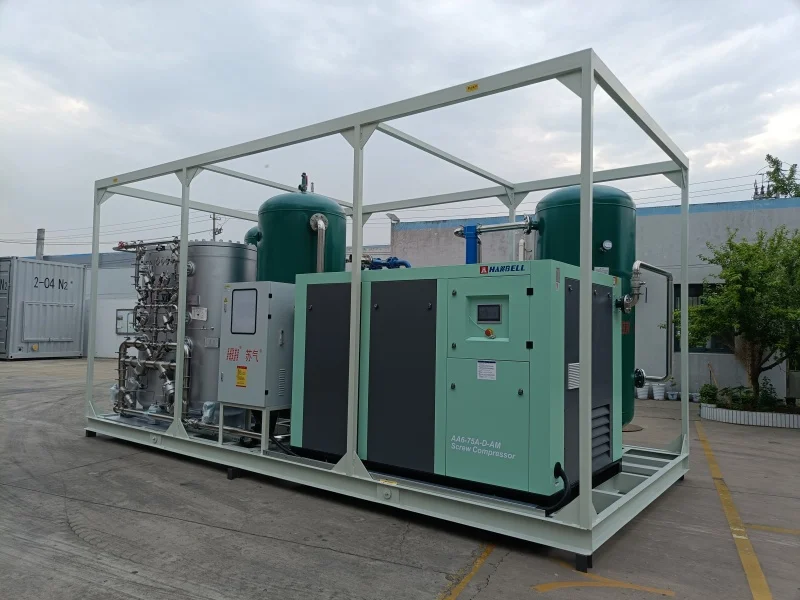
Compare membrane and PSA supply for marine duties, considering space, environment, peak demand and project approval documents.
↗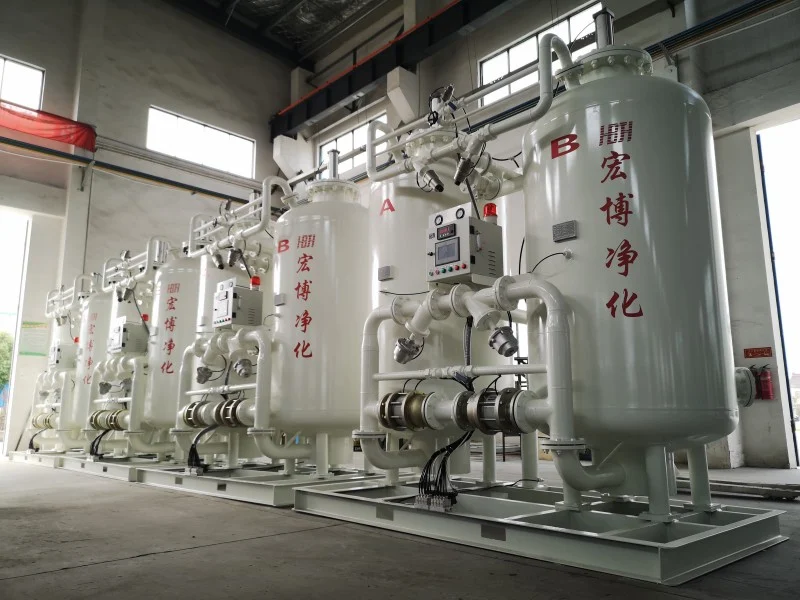
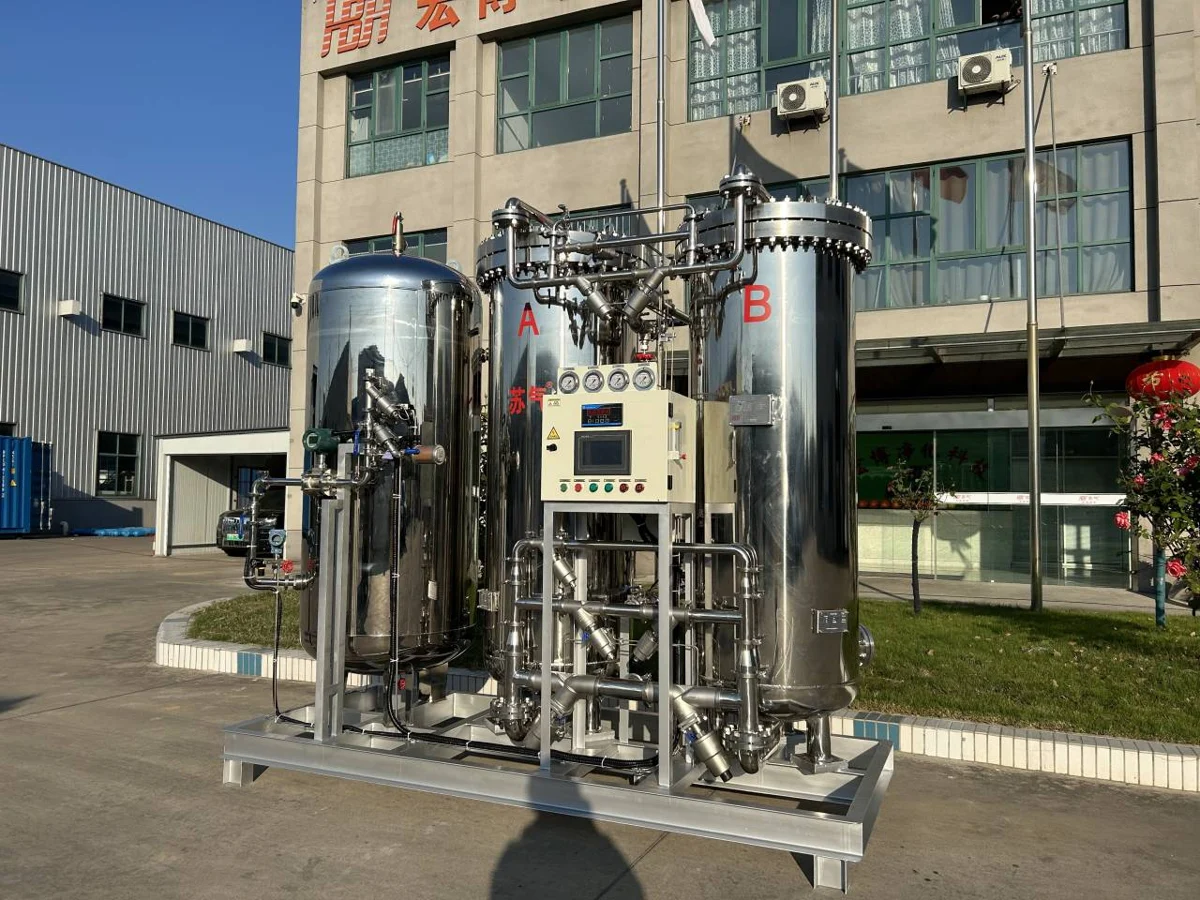
Define oxygen, moisture, steady demand and expansion requirements for nitrogen used in battery-material and manufacturing processes.
↗
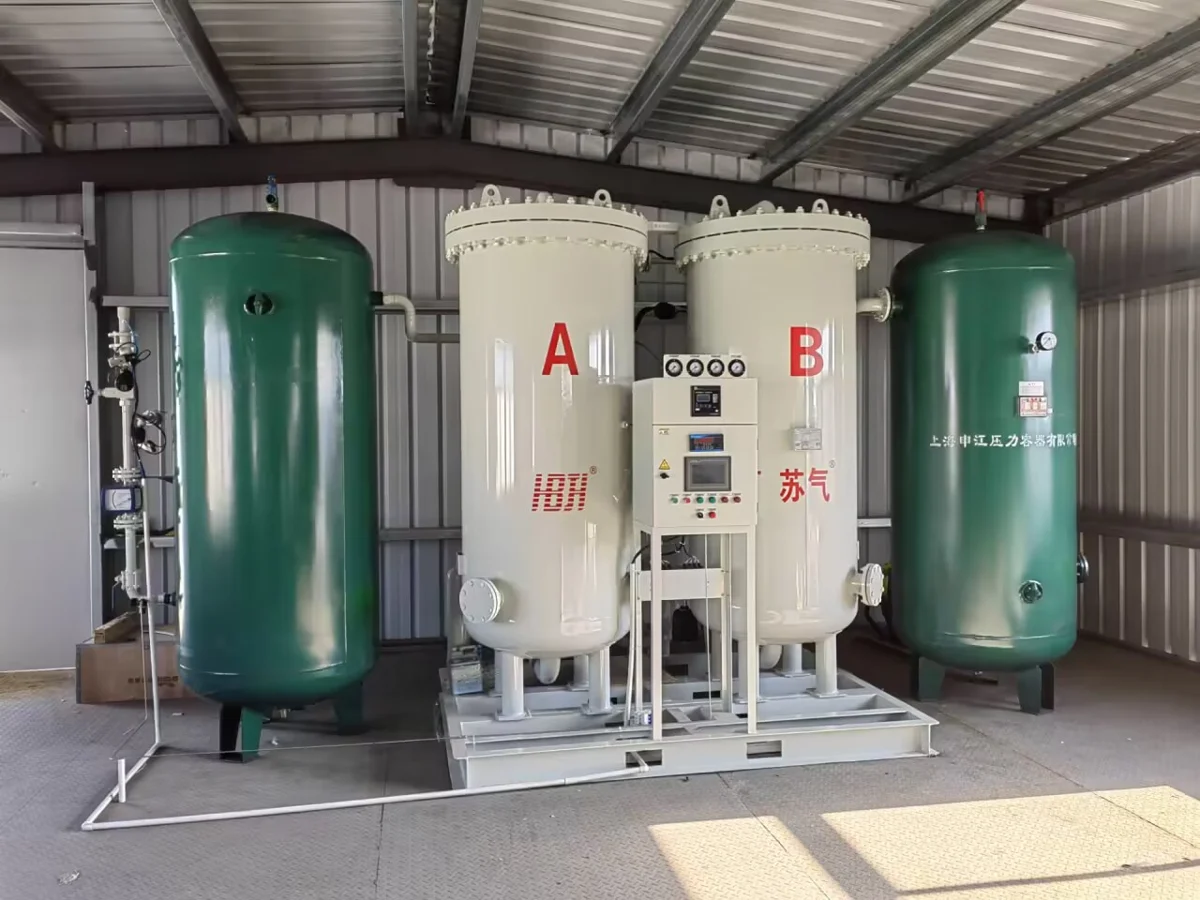
Plan process nitrogen for production, storage and packaging with defined materials, point-of-use quality, filtration and verification documents.
↗
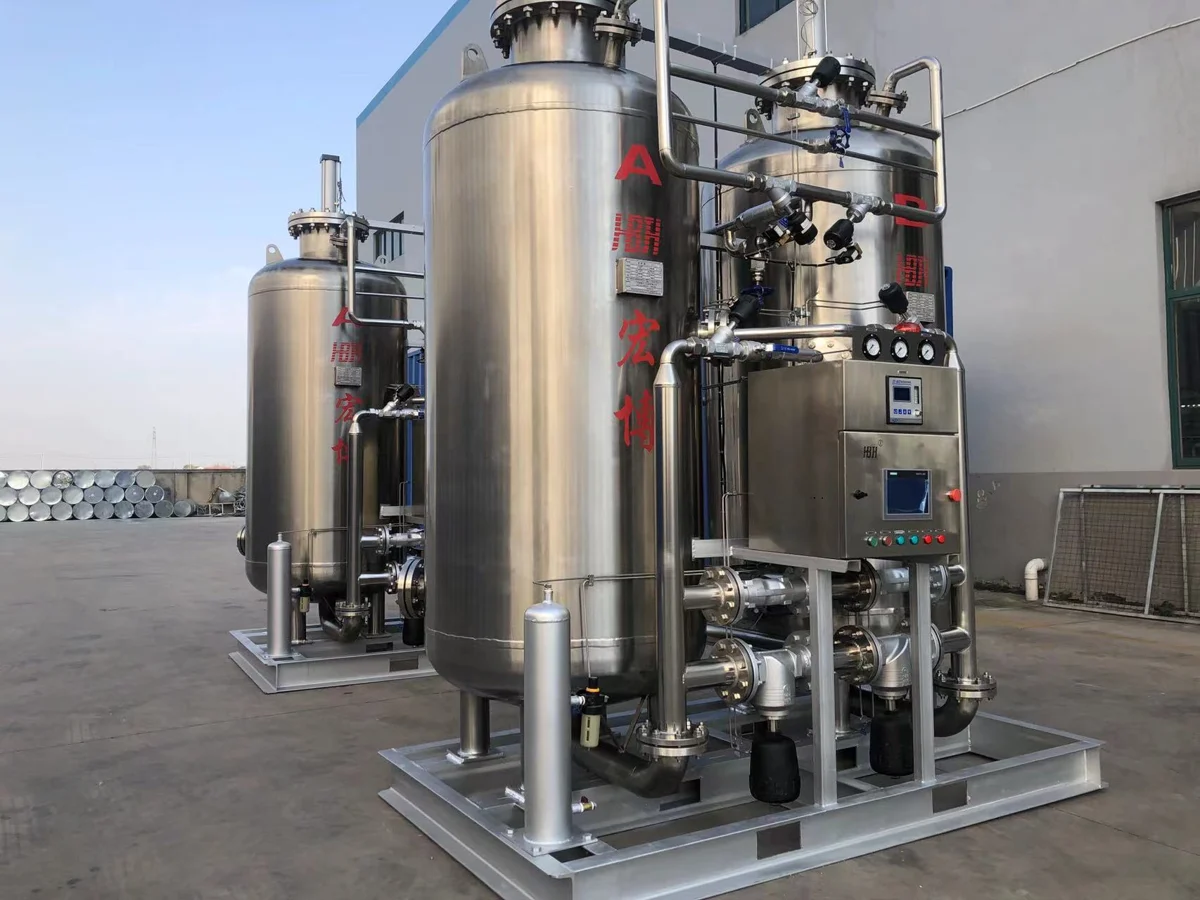
Match molding cycles to gas demand and coordinate nitrogen generation, boosting, storage and point-of-use pressure control.
↗
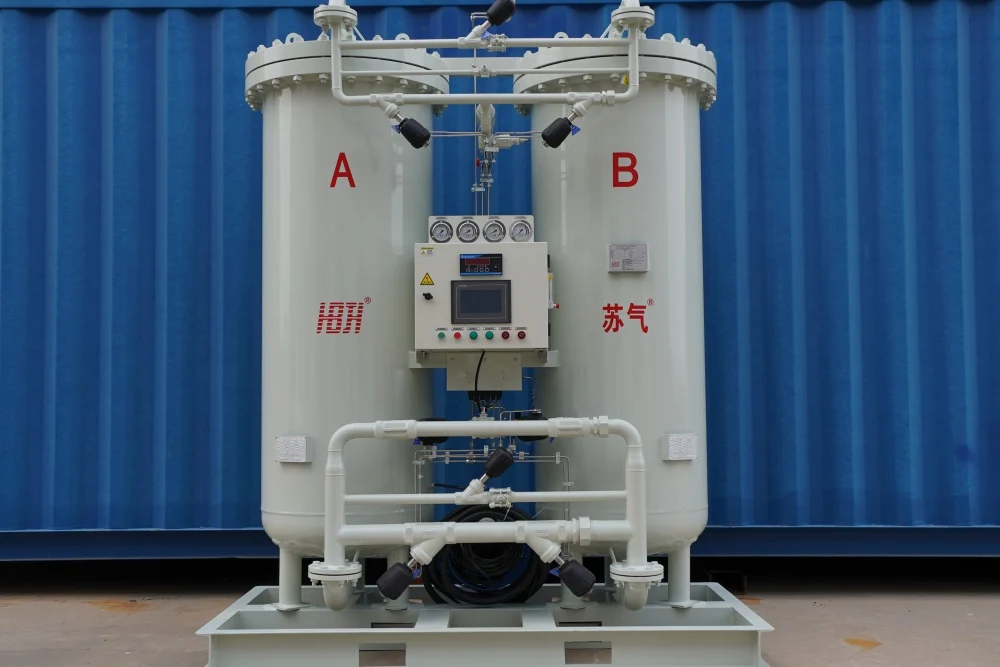
Separate initial atmosphere replacement from maintenance supply using storage volume, tightness, monitoring zones and the storage process.
↗
Plan generation, boosting and buffering around curing-machine cycles, simultaneous charging and pressure recovery.
↗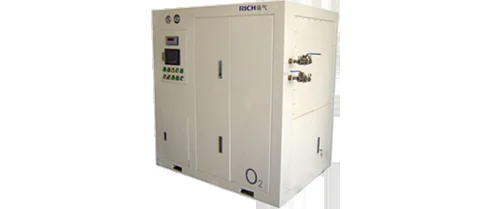
Assess membrane separation for industrial oxygen-enriched air using the required concentration, usable flow, pressure difference and total energy demand.
↗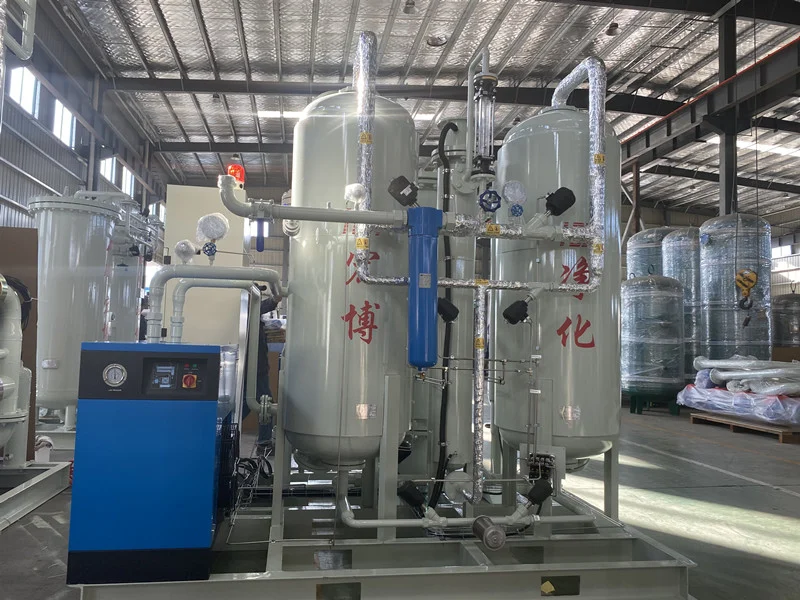
Review nitrogen deoxygenation with a hydrogen supply, including feed oxygen, residual hydrogen, drying and monitoring requirements.
↗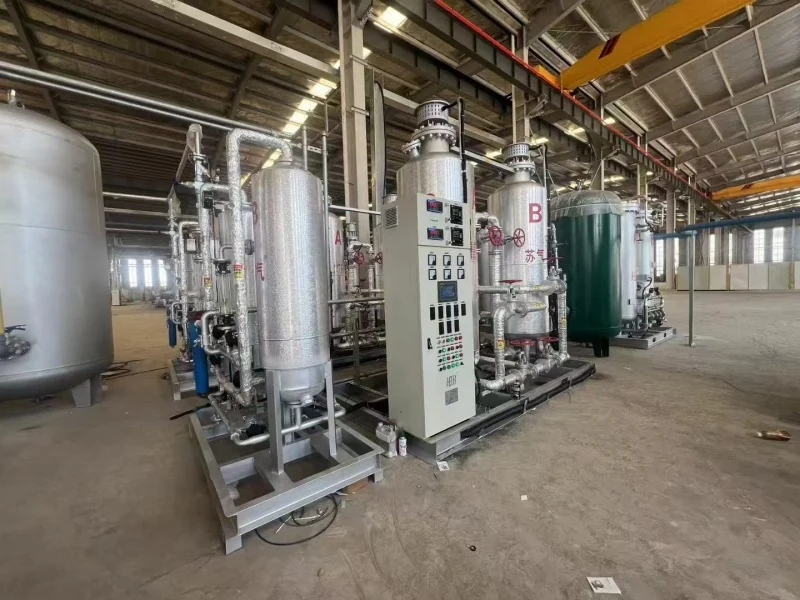
Evaluate a carbon-based deoxygenation route with defined oxygen loading, carbon-dioxide removal, drying and consumable requirements.
↗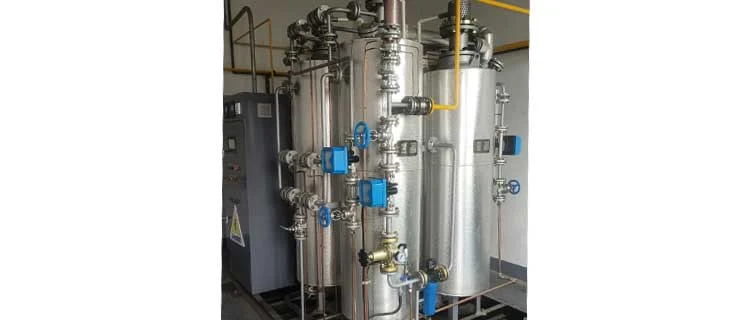
Review purification and regeneration duties for nitrogen processes with separate oxygen and hydrogen limits.
↗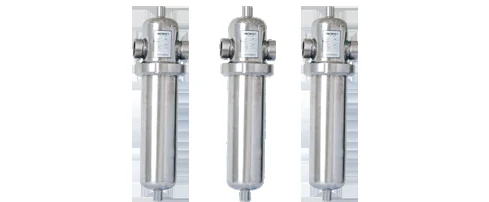
Specify final gas filtration using element validation, housing materials, sterilization compatibility and integrity-test requirements.
↗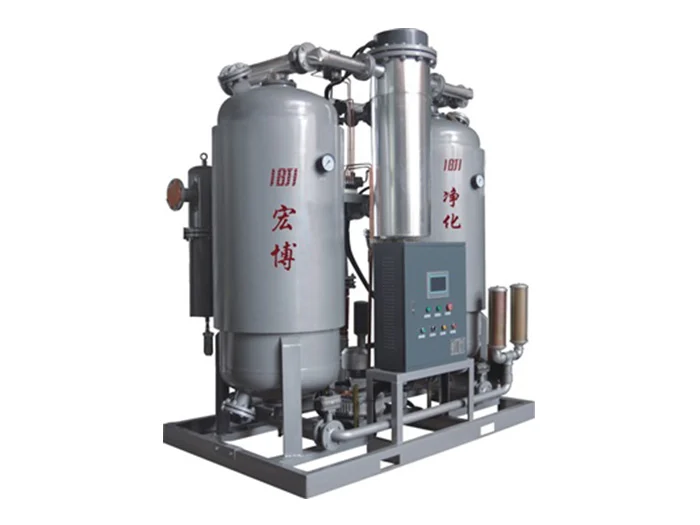
Compare blower-heated regeneration for feed-air drying, including purge demand, heater electricity and cooling conditions.
↗No matching configuration. Try PSA, storage or a process term.
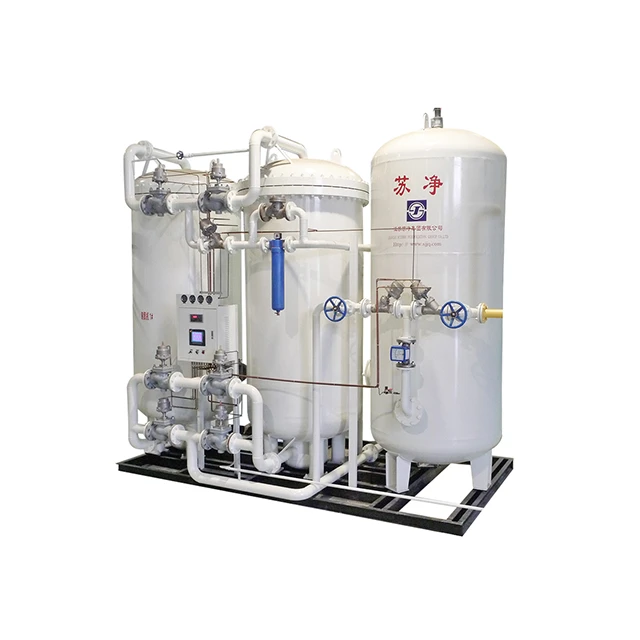
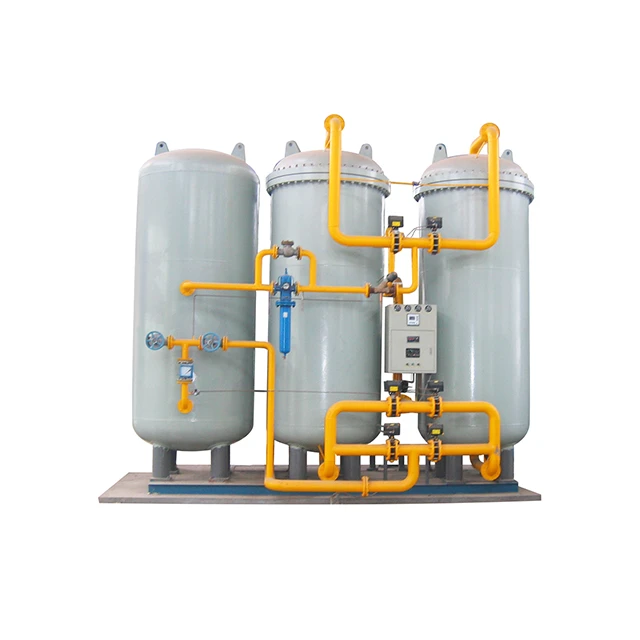
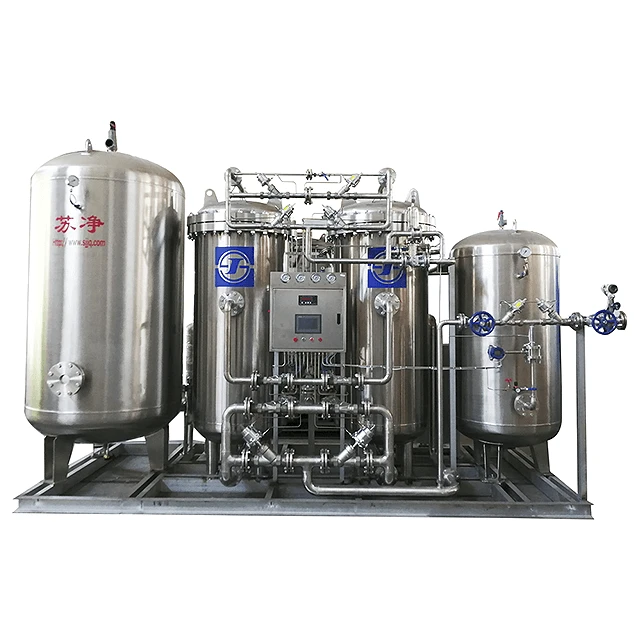
Manufacturer equipment photographs illustrate configuration types. They are not a commitment to a specific AIDEKE model or delivered appearance.
Start with quality, flow and pressure. We will help organize the right questions for your site.