Low-pressure oxygen supply
Calculate required pressure from the receiving process through the complete delivery route.
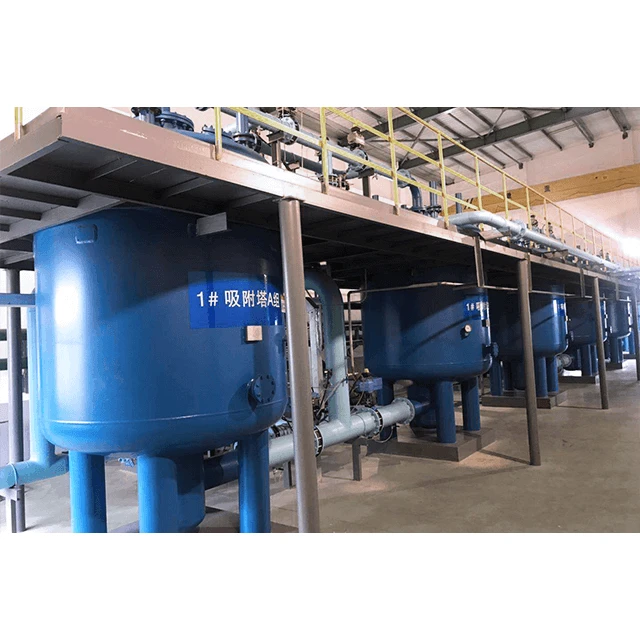 Manufacturer reference photo · sjjq.com
01Define the operating duty
Water treatment and some industrial processes may accept low-pressure supply. Feasibility depends on pipe distance, liquid level and mixing equipment. Establish the actual minimum terminal pressure rather than only a station outlet target.
- Demand input: Minimum terminal pressure
02Connect the complete system
List losses through separation, buffering, piping, control valves and terminal equipment. Check the worst operating condition. For different branch requirements, evaluate zones so all gas need not be handled at the highest pressure.
- Interface input: Pipe length; Liquid-level or backpressure changes
03Verify the configuration
Measure delivery pressure at maximum flow and the furthest branch; check low-load stability. Changes in boosting or regulation must retain oxygen-service materials and cleanliness. Compressed-air components cannot be presumed suitable for oxygen duty.
For industrial oxygen use only. The fields below are project inputs. Equipment and supply performance require technical confirmation; this information does not establish approval for medical, breathing or food-contact use.
- Verification input: Branch pressure differences
Selection conditions to confirm
| Item | Requirement / confirmation basis |
|---|---|
| Minimum terminal pressure | Confirm for the projectProvide actual process conditions and the measurement basis. |
| Pipe length | Confirm for the projectSpecify normal values, peaks or the permitted range. |
| Liquid-level or backpressure changes | Confirm for the projectCheck against existing equipment and site conditions. |
| Branch pressure differences | Confirm for the projectAgree the acceptance basis during technical review. |
These public references explain general technology. They do not establish AIDEKE model performance, a supply commitment or a third-party endorsement. The article is an independent editorial explanation; the confirmed technical agreement governs a specific project.
Sources and usage notes