Oxygen supply for glass processing
Match the source to furnace or flame-processing requirements and continuous demand.
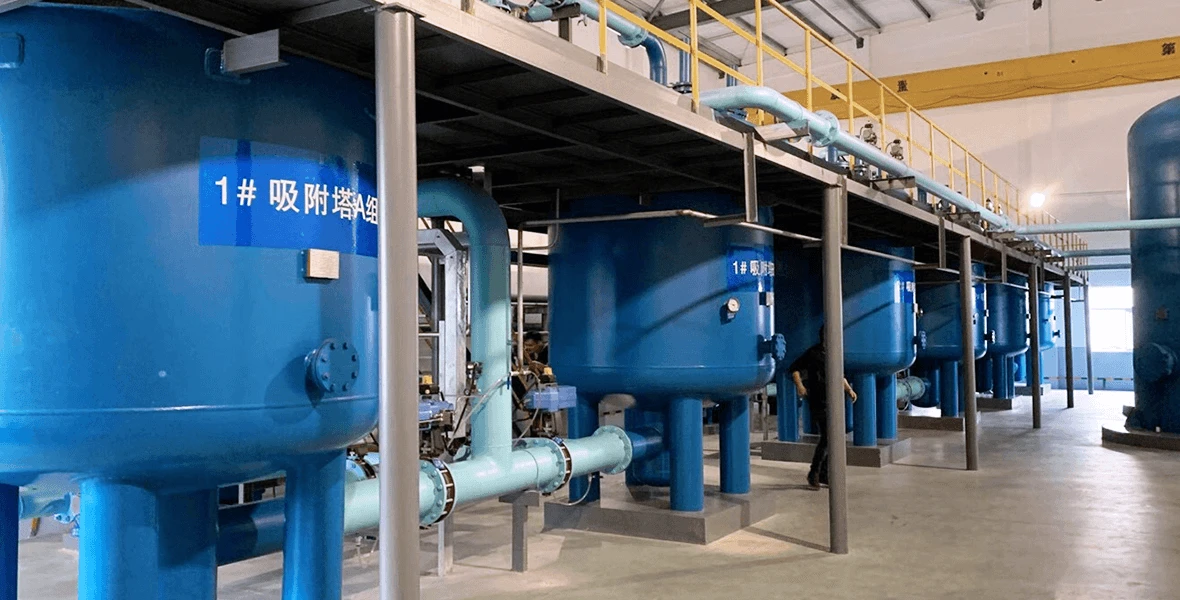 Manufacturer reference photo · sjjq.com
01Define the operating duty
Discuss furnace, fuel and process objectives together. Melting, local heating and flame working have different loads. Provide burner inlet requirements, production cycles and permitted fluctuations rather than choosing equipment from an industry label.
- Demand input: Furnace and fuel
02Connect the complete system
Review concentration, pressure and modulation with the combustion designer. In a retrofit, compare the existing source, pipework and backup. Establish the changeover window and conditions for restoring the previous system.
- Interface input: Oxygen inlet conditions; Continuous-operation requirements
03Verify the configuration
Evaluate oxygen data, thermal behavior, quality and energy over the same period. Fuel savings or higher output require project testing and do not automatically follow from enrichment. This configuration is for industrial equipment only.
For industrial oxygen use only. The fields below are project inputs. Equipment and supply performance require technical confirmation; this information does not establish approval for medical, breathing or food-contact use.
- Verification input: Retrofit changeover window
Selection conditions to confirm
| Item | Requirement / confirmation basis |
|---|---|
| Furnace and fuel | Confirm for the projectProvide actual process conditions and the measurement basis. |
| Oxygen inlet conditions | Confirm for the projectSpecify normal values, peaks or the permitted range. |
| Continuous-operation requirements | Confirm for the projectCheck against existing equipment and site conditions. |
| Retrofit changeover window | Confirm for the projectAgree the acceptance basis during technical review. |
These public references explain general technology. They do not establish AIDEKE model performance, a supply commitment or a third-party endorsement. The article is an independent editorial explanation; the confirmed technical agreement governs a specific project.
Sources and usage notes