Modular industrial oxygen supply
Plan capacity by commissioning stage and reserve the shared facilities needed for growth.
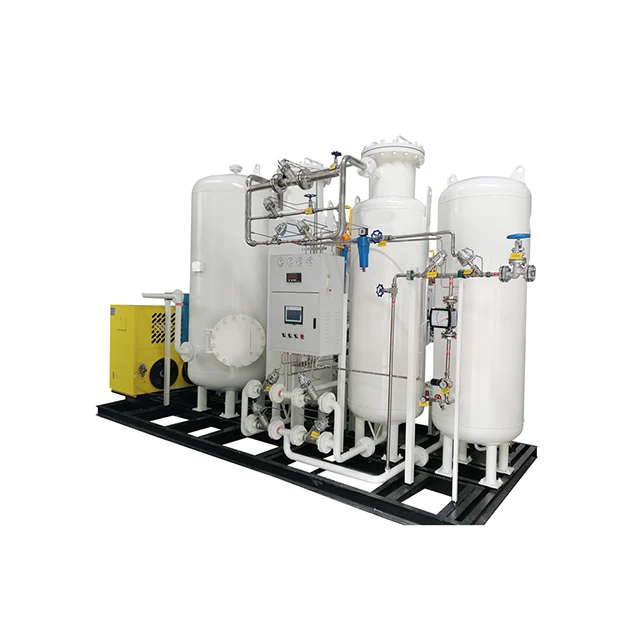 Manufacturer reference photo · sjjq.com
01Define the operating duty
Separate committed demand from possible additions and size the first stage around commissioning dates. Compare usable output, low-load behavior and later investment. Module count and footprint alone do not establish an appropriate arrangement.
- Demand input: Phased oxygen demand
02Connect the complete system
Check expansion limits in air treatment, electricity, ventilation, cooling, receivers and headers. State whether connection needs an outage, how oxygen cleanliness is preserved and how controls recognize additional units. Reserve workable interfaces.
- Interface input: Commissioning dates; Shared-utility spare capacity
03Verify the configuration
Retest load sharing and terminal supply after each expansion, then update drawings and service plans. Shared pretreatment or control equipment may remain a common failure point. Expandability and backup capability need separate evaluation.
For industrial oxygen use only. The fields below are project inputs. Equipment and supply performance require technical confirmation; this information does not establish approval for medical, breathing or food-contact use.
- Verification input: Expansion outage conditions
Selection conditions to confirm
| Item | Requirement / confirmation basis |
|---|---|
| Phased oxygen demand | Confirm for the projectProvide actual process conditions and the measurement basis. |
| Commissioning dates | Confirm for the projectSpecify normal values, peaks or the permitted range. |
| Shared-utility spare capacity | Confirm for the projectCheck against existing equipment and site conditions. |
| Expansion outage conditions | Confirm for the projectAgree the acceptance basis during technical review. |
These public references explain general technology. They do not establish AIDEKE model performance, a supply commitment or a third-party endorsement. The article is an independent editorial explanation; the confirmed technical agreement governs a specific project.
Sources and usage notes