Remote oxygen-station monitoring
Build useful operating data and define the responsibilities of local and remote controls.
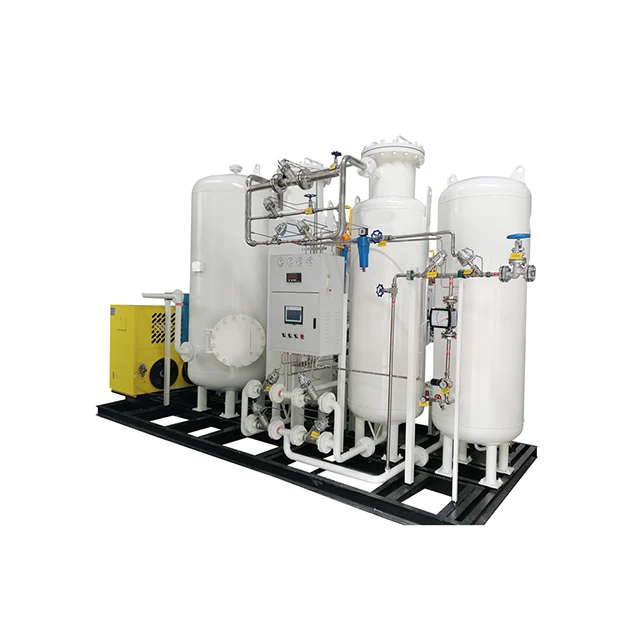 Manufacturer reference photo · sjjq.com
01Define the operating duty
Start with decisions operators need to make. Establish essential data for quality, pressure, equipment condition and service alerts before selecting communications. Many unused signals create complexity without necessarily improving operational understanding.
- Demand input: Monitoring point list
02Connect the complete system
Specify sampling intervals, offline storage, permissions and remote-command scope. Verified local controls handle critical protective actions. Define behavior during communications loss; the remote platform supports monitoring and diagnosis rather than replacing local protection.
- Interface input: Network conditions; Data retention period
03Verify the configuration
Simulate interrupted data, alarm recovery and access changes, then check traceability. Monitoring does not replace site inspection. Maintain sensor calibration and alarm recipients so the records continue to support practical production decisions.
For industrial oxygen use only. The fields below are project inputs. Equipment and supply performance require technical confirmation; this information does not establish approval for medical, breathing or food-contact use.
- Verification input: Alarm notification process
Selection conditions to confirm
| Item | Requirement / confirmation basis |
|---|---|
| Monitoring point list | Confirm for the projectProvide actual process conditions and the measurement basis. |
| Network conditions | Confirm for the projectSpecify normal values, peaks or the permitted range. |
| Data retention period | Confirm for the projectCheck against existing equipment and site conditions. |
| Alarm notification process | Confirm for the projectAgree the acceptance basis during technical review. |
These public references explain general technology. They do not establish AIDEKE model performance, a supply commitment or a third-party endorsement. The article is an independent editorial explanation; the confirmed technical agreement governs a specific project.
Sources and usage notes