Compressed air buffering
Define the receiver's role between compressor behavior and cyclic separation demand.
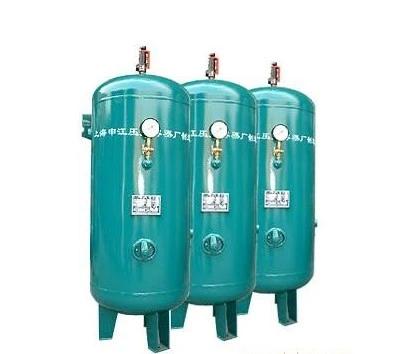 Manufacturer reference photo · fsair.cn
01Define the operating duty
Identify the problem to solve, such as compressor loading changes or separator cycles. Size requires the pressure window and demand curve. The minimum usable pressure is a necessary calculation input, not simply a final operating preference.
- Demand input: Permitted pressure variation
02Connect the complete system
Coordinate position with treatment order, drainage, instrumentation, isolation and vessel access. Where several devices share a receiver, review simultaneous starts, stops and maintenance paths so servicing one branch does not unnecessarily stop all users.
- Interface input: Consumption cycle; Drainage arrangement
03Verify the configuration
Observe pressure over representative cycles and check drainage access. Buffering changes short-term balance rather than long-term compressor capacity. Define vessel identification, system ownership and applicable selection, installation and inspection requirements.
This topic describes station auxiliaries. Confirm compatibility, quantities and supply boundaries against the system diagram. The fields below collect project requirements and do not represent a fixed model rating.
- Verification input: Inspection and maintenance access
Selection conditions to confirm
| Item | Requirement / confirmation basis |
|---|---|
| Permitted pressure variation | Confirm for the projectProvide actual process conditions and the measurement basis. |
| Consumption cycle | Confirm for the projectSpecify normal values, peaks or the permitted range. |
| Drainage arrangement | Confirm for the projectCheck against existing equipment and site conditions. |
| Inspection and maintenance access | Confirm for the projectAgree the acceptance basis during technical review. |
These public references explain general technology. They do not establish AIDEKE model performance, a supply commitment or a third-party endorsement. The article is an independent editorial explanation; the confirmed technical agreement governs a specific project.
Sources and usage notes