Nitrogen for electronics soldering
Match supply to oxygen levels in the soldering zone and the production cycle.
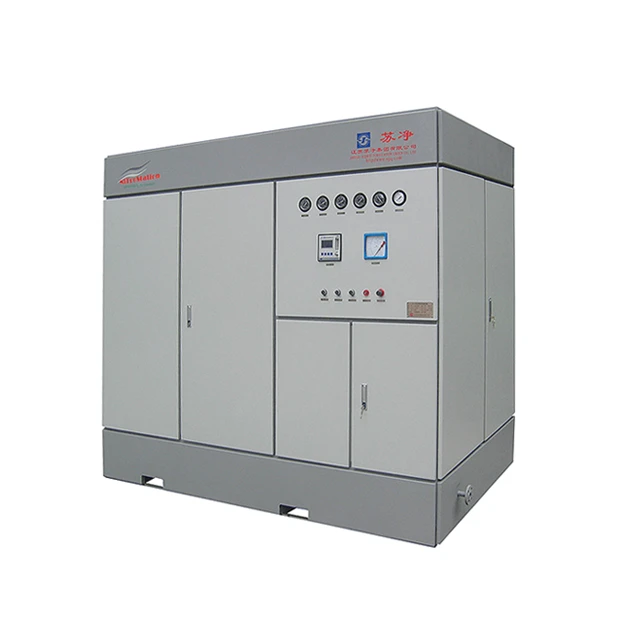 Manufacturer reference photo · sjjq.com
01Define the operating duty
Demand depends on furnace design, openings, board speed and startup practices. Obtain the equipment maker's inlet specification and identify the defect being addressed. Electronic grade is not a substitute for measurable requirements.
- Demand input: Furnace types and quantities
02Connect the complete system
Separate startup displacement, normal production and heated standby demand. Assess header buffering and branch regulation. Measure at the source and representative process points to relate supply changes to furnace atmosphere changes.
- Interface input: Startup displacement volume; Soldering-zone oxygen target
03Verify the configuration
Assess gas stability alongside soldering results within the same process window. Additional nitrogen does not resolve every defect. Flux, temperature profile and incoming material condition still need confirmation by the process team.
This topic supports configuration discussions. Equipment combinations and availability are subject to technical confirmation and contract. The fields below are project inputs, not committed performance specifications.
- Verification input: Standby operating mode
Selection conditions to confirm
| Item | Requirement / confirmation basis |
|---|---|
| Furnace types and quantities | Confirm for the projectProvide actual process conditions and the measurement basis. |
| Startup displacement volume | Confirm for the projectSpecify normal values, peaks or the permitted range. |
| Soldering-zone oxygen target | Confirm for the projectCheck against existing equipment and site conditions. |
| Standby operating mode | Confirm for the projectAgree the acceptance basis during technical review. |
These public references explain general technology. They do not establish AIDEKE model performance, a supply commitment or a third-party endorsement. The article is an independent editorial explanation; the confirmed technical agreement governs a specific project.
Sources and usage notes